Review
Hell J Surg. 2025 Apr-Jun;95(5):68–77
doi: 10.59869/25063
Savvas Tsaramanidis1, Athina Skriapa1, Ilias Sarigiannidis2, Ioannis Boukovinas3, Georgios Zacharioudakis1, Konstantinos Ballas1
15th Surgical Department of Aristotle University of Thessaloniki (AUTH), Hippocrates General Hospital. Thessaloniki
2Veterinary Student, Aristotle University of Thessaloniki
3Department of Medical Oncology, Genesis Hospital, Thessaloniki, Greece

Correspondence: Savvas Tsaramanidis, General Surgeon-5TH Surgical Department, Hippocrates University Hospital, Thessaloniki GR 54453, Greece. Tel: +30 6984361631, e-mail: tsarasavvas@gmail.com
Abstract
Background: Colorectal cancer (CRC) represents one of the most frequent malignancies worldwide and one of the leading causes of cancer-related mortality. Over the years the treatment options include radiotherapy, chemotherapy and surgery. Immune checkpoint inhibitors (ICIs) show favorable efficacy in microsatellite instability (MSI-H) CRC, however there is no clear benefit in microsatellite-stable tumors (MSS). Since only around 15% of colorectal cancers are MSI-H and the remaining 85% are MSS, the limited efficacy of ICIs in MSS tumors remains a therapeutic challenge. This narrative review aims to examine the mechanisms of therapeutic resistance to ICIs in MSS CRC overall, to summarize the available clinical evidence, and to discuss possible strategies to enhance immunotherapy efficacy. Attention is also given to the evolving role of surgery within modern multifactor management including the potential interaction of immunotherapy across resectable, borderline resectable and metastatic disease settings.
Methods: A narrative review was conducted using Pubmed, Scopus and Web of Science databases. The literature search included articles published up to May 2026. The following keywords were used: “microsatellite stable”, “colorectal cancer”, “immune checkpoint inhibitors”, “immunotherapy” and “colectomy”. Narrative reviews, retrospective studies, and systematic reviews in English were considered eligible for inclusion.
Results: MSS CRC is characterized by chromosomal instability involving large-scale genomic alterations and is associated with a low tumor mutational burden (ΤΜΒ) and limited neoantigen formation, contributing to the limited efficacy of ICIs. Many molecular pathways are responsible for this condition such as Wnt/β-catenin pathway, Mitogen-Activated Protein Kinase (MAPK) pathway and the transforming growth factor-β (TGF-β) pathway. Some trials (IMblaze370, KEYNOTE-016) highlight the limited efficacy of ICIs as monotherapy in MSS CRC and investigate the combined treatments to overcome the resistance. Surgery remains the cornerstone of CRC treatment; however, a non-operative (watch-and-wait) approach may be safe alternative to surgery in selected patients with MSS CRC.
Conclusions: ICIs have changed the management of MSI-H CRC but remain ineffective as monotherapy in MSS CRC. Combination treatments targeting the tumor microenvironment, angiogenesis and oncogenic signaling pathways represent promising direction for improving immunotherapy efficacy. In this context, surgery continues to play a central role in the management of colorectal cancer. Patients with resectable disease, locally advanced and selected cases of metastatic diseases may benefit from this multidisciplinary approach. Beyond its established cytoreductive effect, surgical intervention may help modify the tumor microenvironment and reduce systemic immunosuppressive signaling. Surgery may also improve the responsiveness to immunotherapy. Future studies are needed to better define patient selection, optimal treatment choice and the role of multidisciplinary teams in the decision between systemic and locoregional therapies.
Key words: Colorectal cancer, microsatellite stable, immune checkpoint inhibitors, immunotherapy, colectomy
Submission: 16.04.2026, Acceptance: 07.07.2026
Introduction
Colorectal cancer (CRC) represents one of the most frequent malignancies worldwide and one of the leading causes of cancer-related mortality [1]. Early diagnosis of the disease, followed by proper treatment, offers better disease outcomes. However, once metastasis develops, overall survival decreases significantly, with reported rates of approximately 13.1%. Over the years, the treatment options include radiotherapy, chemotherapy and surgery. Immunotherapy plays a significant role in the management of CRC modifying both innate and adaptive immunity enhancing the immune system against cancer cells. Immune checkpoint inhibitors, chimeric antigen receptor (CAR)-T cells, tumor-infiltrating lymphocytes (TILs), and oncolytic viral therapy (OVT) are the main tools of immunotherapy [2]. ICIs, such as monoclonal antibodies targeting programmed cell death-1 (PD-1) and its ligand-1 (PD-L1), restore antitumor T-cell function with inhibition of signaling pathways while cytotoxic T lymphocyte-associated antigen-4 (CTLA-4) has an immunosuppressive role. This mechanism shows favorable efficacy in microsatellite instability (MSI-H) CRC, however, there is no clear benefit in microsatellite-stable tumors (MSS). Since only around 15% of colorectal cancers are MSI-H and the remaining 85% are microsatellite stable, the limited efficacy of ICIs in MSS tumors remains a therapeutic challenge [2]. This narrative review aims to examine the mechanisms of therapeutic resistance to ICIs in MSS CRC overall, rather than focusing on a specific disease setting (resectable, locally advanced, and metastatic disease). It also summarizes the current clinical evidence and explores possible strategies to enhance immunotherapy efficacy. The combination of ICIs with chemotherapy, anti-angiogenic agents and targeted therapies have shown some promising outcomes. Attention is also given to the evolving role of surgery within modern multifactor management including the potential interaction of immunotherapy across resectable, borderline resectable and metastatic disease settings.
Methods
A narrative review was conducted using Pubmed, Scopus and Web of Science databases. The literature search included articles published up to May 2026. The following keywords were used: “microsatellite stable”, “colorectal cancer”, “immune checkpoint inhibitors”, “immunotherapy” and “colectomy”. Narrative reviews, retrospective studies, and systematic reviews in English were considered eligible for inclusion.
Results
Mechanisms Underlying the Limited Efficacy of ICIs in MSS CRC (Figure 1)
MSS CRC is characterized by chromosomal instability involving large-scale genomic alterations and is associated with a low tumor mutational burden (ΤΜΒ) and limited neoantigen formation. Consequently, these tumors develop an immunologically “cold” tumor microenvironment that differs substantially from MSI-high CRC and contributes to the limited efficacy of ICIs. One of the mechanisms that explain this phenomenon is “immune exclusion” or “T-cell exclusion”, in which T-cells fail to effectively infiltrate the tumor microenvironment. This process has been linked to increased activity of the Wnt/β-catenin pathway, which appears to reduce the efficacy of ICIs. MSS tumors are often enriched with macrophages, which can further suppress adaptive antitumor immune responses. Overall, these observations suggest that abnormal activation of Wnt/β-catenin pathway seems to develop an immune-excluded microenvironment and works as a biologic barrier to successful immunotherapy into multimodal treatment approaches [3]. Beyond this, frequent KRAS and BRAF mutations in MSS CRC lead to activation of the MAPK pathway. This pathway has been associated with impaired antigen presentation and reduced T-cell infiltration, negatively affecting the responsiveness to ICIs [3]. Another important pathway involved in 40–50% of CRC cases is the TGF-β pathway [4]. The increase of TGF-β signaling has been linked to downregulation of T cells activity, suppression of antitumor immunity and inhibition of natural killer cells’ function. According to preclinical studies, it is described the hypothesis that activation of TGF-β pathway contributes to immune escape and reduced response to immunotherapy in colorectal cancer, especially in patients with liver metastases. Increased TGF-β signaling may create an immunosuppressive tumor microenvironment by promoting regulatory T cells, while reducing the activity of natural killer cells and CD4+/CD8+ T cells, weakening the antitumor immune response. Since liver metastases are often resistant to immune checkpoint inhibitors, TGF-β–mediated immune suppression may represent an important mechanism underlying this resistance. Therefore, targeting the TGF-β pathway could improve antitumor immunity, limit metastatic spread, and enhance the effectiveness of immunotherapy in metastatic colorectal cancer [3].
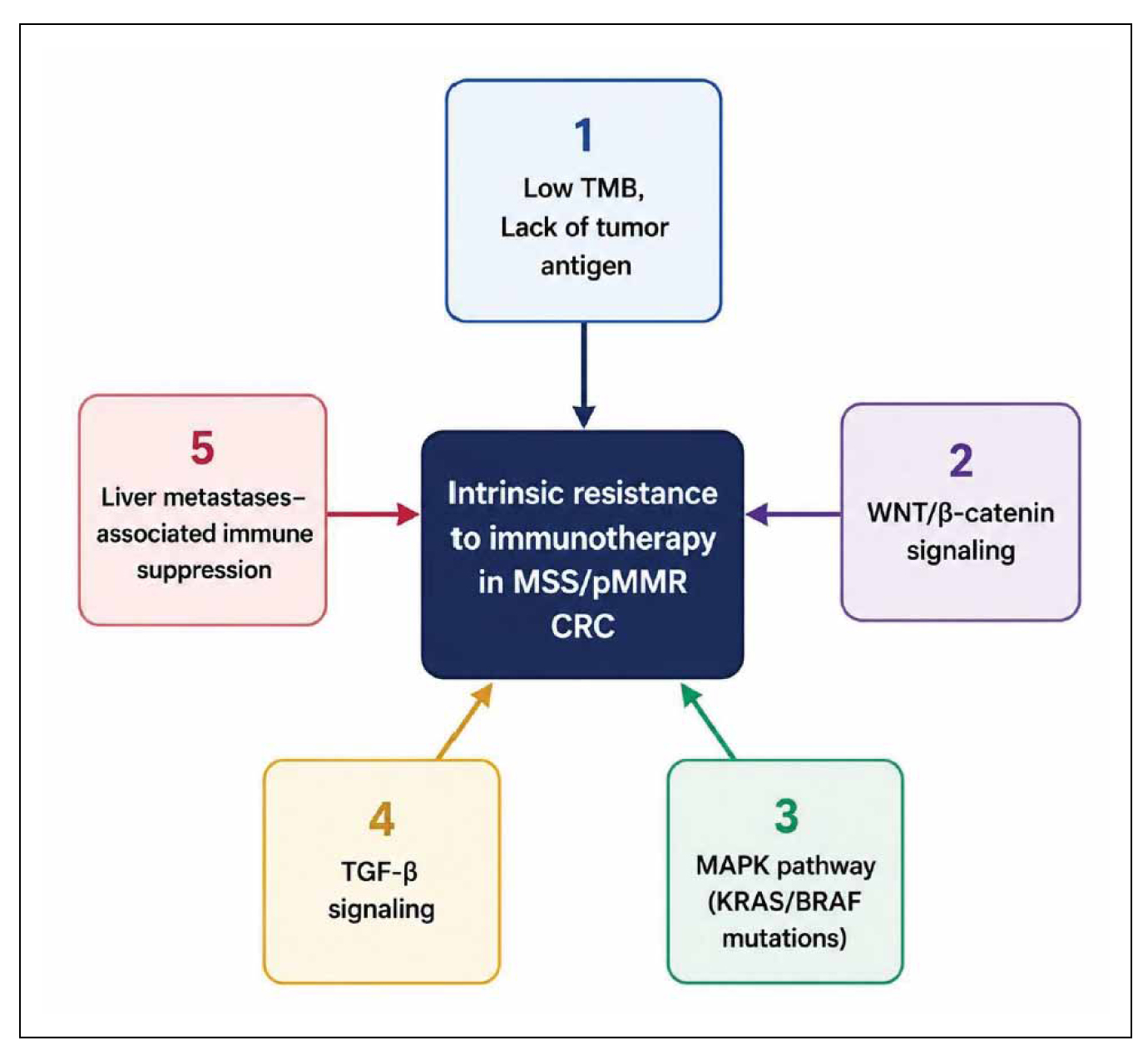
Figure 1. Mechanisms Underlying the Limited Efficacy of ICIs in MSS CRC.
Clinical Evidence of ICIs in MSS CRC
Several studies have evaluated the efficacy of immunotherapy in MSS colorectal cancer (Table 1). The phase III randomized controlled trial IMblaze370 enrolled 363 patients with locally advanced or metastatic colorectal cancer (mCRC) receiving atezolizumab plus cobimetinib, atezolizumab monotherapy, or regorafenib. The majority of patients (95%) had MSS disease. The trial demonstrated that atezolizumab monotherapy did not have a survival benefit in patients with MSS CRC, highlighting the limited efficacy of ICIs as a single-agent strategy in this setting [5]. In a phase 2 clinical trial (KEYNOTE-016) D. T. Le and colleagues evaluated PD-1 blockade with pembrolizumab in mCRC. The objective responses were 40% in patients with mismatch repair–deficient tumors (dMMR), while patients with proficient mismatch repair (pMMR) CRC did not receive any clinical benefit. These findings identified the mismatch repair status as the main factor of responsiveness to ICIs in colorectal cancer [6]. A systematic review by Leping Kong et al. showed that ICIs demonstrated effectiveness in patients with dMMR/MSI-H metastatic colorectal cancer. In contrast, evidence for benefit in MSS/pMMR colorectal cancer was still limited. It was mentioned that some combination strategies involving ICIs with chemotherapy or tyrosine kinase inhibitors showed potential activity, even though the reviewed studies were mostly small retrospective cohorts with heterogeneous results. The authors concluded that for validation of combination immunotherapy, larger prospective multicenter studies are needed, especially for MSS/pMMR colorectal cancer [7]. The Canadian Cancer Trials Group (CO.26 Study) suggest the combination of PD-L1 and CTLA-4 for patients with MSS mCRC. In this trial, 119 patients with CRC received durvalumab plus tremelimumab, while 61 received best supportive care. Patients in the treatment group achieved higher rates of stable disease and disease control than those in the other group, demonstrating a potential overall survival benefit in heavily pretreated patients with MSS CRC [8]. A different study, phase II NICHE II trial explored the efficacy of nivolumab+ipilimumab in early stage MSS CRC, as neoadjuvant therapy. The results were encouraging, demonstrating major pathological response around 26%. These findings suggest that combination of ICIs in the neoadjuvant setting may have an impact on MSS CRC [9]. Similarly, the phase II NEST-1 trial examined the safety and efficacy of the combination of the anti–CTLA-4 antibody botensilimab and the anti–PD-1 antibody balstilimab in patients with localized MSS CRC in the neoadjuvant setting. The study demonstrated encouraging pathological response rates, suggesting that dual ICIs may represent a promising therapeutic strategy for selected patients with MSS disease [10]. Encouraging findings have also been reported in the metastatic setting. The ongoing phase II POCHI trial demonstrated promising preliminary activity of pembrolizumab in combination with CAPOX (capecitabine plus oxaliplatin) and bevacizumab in patients with MSS/pMMR mCRC with high immune infiltrate on primary tumor resection specimens. These results suggest that careful patient selection together with combination treatment may improve the efficacy of immunotherapy in MSS CRC [11]. Overall, the above trials indicate that ICIs as monotherapy have limited efficacy in MSS CRC. More recent studies, evaluating the combination of strategies to enhance immunotherapy resistance, have shown encouraging results.
Combination Strategies to Enhance Immunotherapy Response (Figure 2)
The limited efficacy of ICIs as monotherapy in MSS CRC led the investigation to focus on developing combinations of treatments. The main objective was the improvement of tumor immunogenicity and the overcoming of immune resistance. Combined treatments include chemotherapy, anti-angiogenic agents, targeted therapies and locoregional treatments.
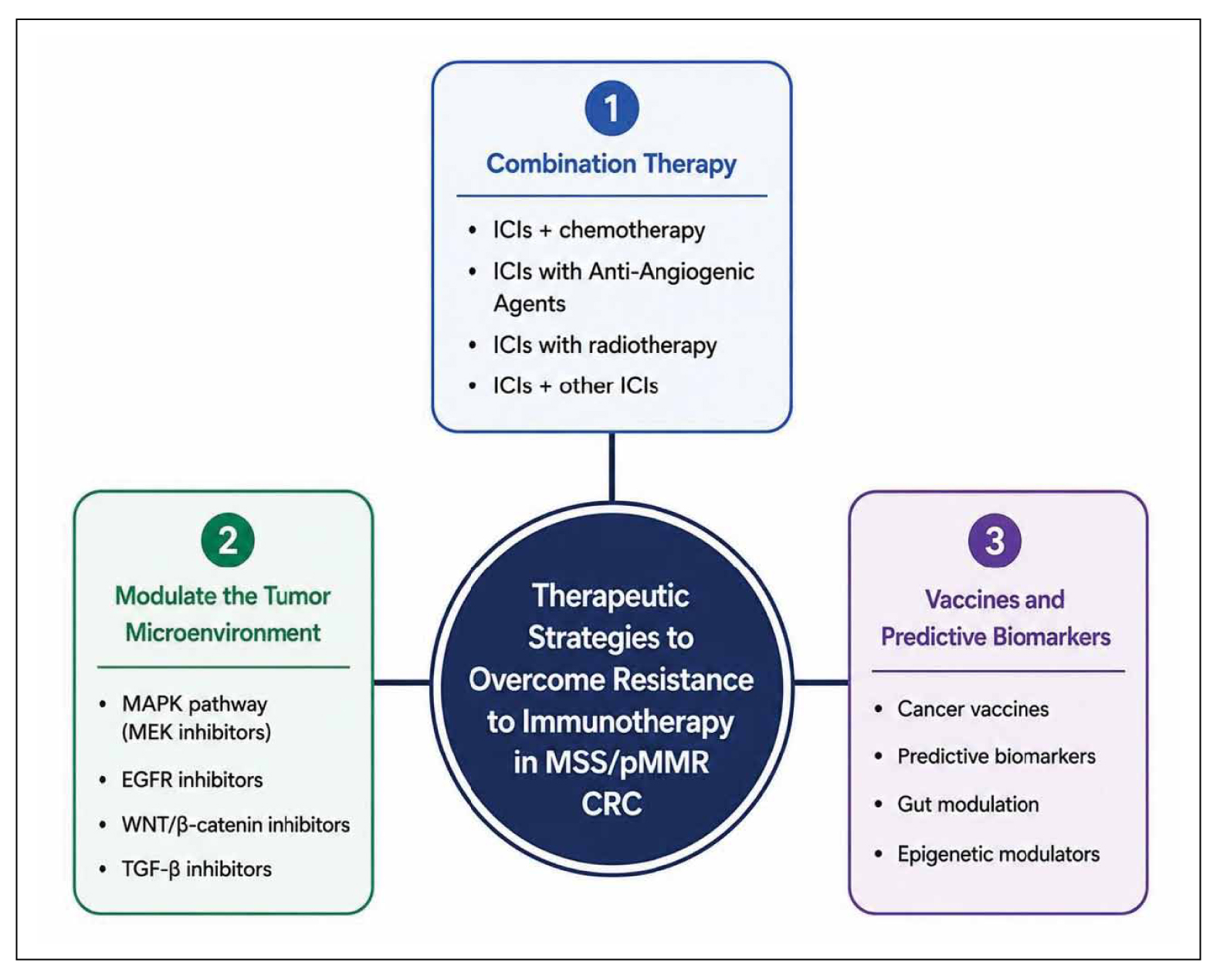
Figure 2. Therapeutic strategies to overcome resistance to immunotherapy in MSS CRC.
a. ICIs Combined with Chemotherapy
Microsatellite-stable mCRC generally respond poorly to ICIs monotherapy for several reasons, and combined treatment with chemotherapy may improve their efficacy. First of all, these tumors have a low mutational burden, resulting in fewer neoantigens that can be recognized by the immune system. Furthermore, activation of the WNT/β-catenin pathway represents a common finding in MSS CRC and limits the infiltration of cytotoxic CD8+ T cells into the tumor. The tumor microenvironment is often dominated by immunosuppressive cells, such as regulatory T cells and tumor-associated macrophages, which inhibit effective antitumor immune responses. Finally, the high prevalence of liver metastases in MSS CRC may further reduce the effectiveness of immunotherapy [12]. Previous studies evaluating the efficacy of ICIs on pMMR/MSS tumors have shown limited clinical benefit on patients with mCRC. In the phase II AzetoTRIBE trial, Antoniotti C et al investigated the clinical benefit of atezolizumab an anti-PD-L1 agent combined with chemotherapy (FOLFOXIRI; fluorouracil, leucovorin, oxaliplatin, and irinotecan) and bevacizumab. The results were encouraging, with a median progression-free survival of 13.1 months in the group receiving atezolizumab compared with a median of 11.5 months in the control group. These findings suggest that the addition of immune checkpoint inhibitor into chemotherapy regimens may increase the progression-free survival in some patients with MSS mCRC [13]. Already from 2011 Jurjen Tel and colleagues investigated the role of oxaliplatin in the tumor microenvironment. They found that oxaliplatin increases PD-L1 expression and leads to decreased T-cell levels. They concluded that combining chemotherapy and immunotherapy could improve patients’ overall survival [14]. The above combination has also been explored in both preclinical and clinical studies. Certain cytotoxic agents, particularly 5-fluorouracil and oxaliplatin may increase tumor immunogenicity by promoting tumor antigen release, stimulating immunogenic cell death and reducing immunosuppressive immune cells. These actions potentially improve the effectiveness of immunotherapy and based on this fact several clinical trials have investigated chemo-immunotherapy combinations in mCRC. The phase II NIVACOR trial is currently evaluating the combination of Nivolumab with FOLFOXIRI and Bevacizumab (Vascular Endothelial Growth Factor A (VEGF-A)) as first-line treatment in patients with metastatic colorectal cancer. This multicenter study aims to determine whether the combination of ICIs with an intensive chemotherapeutic regimen can boost antitumor immune response and improve clinical outcomes. Patients with mCRC and mutation in RAS or BRAF genes received FOLFOXIRI, Bevacizumab, and Nivolumab. The overall response rate, the safety of the combination and overall survival were the primary and secondary outcomes. Preliminary data suggest that this combination is feasible and generally well tolerated with manageable toxicity profiles. The final efficacy results are awaited [15].
b. ICIs with Anti-Angiogenic Agents
Vascular endothelial growth factor (VEGF) plays a significant role in tumor angiogenesis and is often overexpressed in colorectal cancer. Thus, it contributes to tumor progression and metastatic disease. VEGF, except its angiogenic effects, also promotes an immunosuppressive tumor microenvironment by inhibiting dendritic cell maturation, impairing T-cell activation and promoting the accumulation of immunosuppressive cell populations such as regulatory T cells (Tregs), tumor-associated macrophages and myeloid-derived suppressor cells. A self-creating immunosuppressive cycle within the tumor microenvironment is developed. Inhibition of VEGF signaling not only suppresses tumor angiogenesis but also restores antitumor immune responses. In conclusion, anti-VEGF improves the efficacy of immune checkpoint inhibitors. The phase Ib REGONIVO study evaluated the combination of regorafenib, a multikinase inhibitor targeting VEGFR2, with nivolumab in patients with advanced colorectal and gastric cancers. In this Japanese cohort, 25 patients with advanced or metastatic CRC (24 with MSS CRC and 1 with MSI-H) were treated with these regimens. The results were promising showing a response rate of about 33% among patients with MSS/pMMR metastatic colorectal cancer. Adverse events matched the previously known safety profiles of the two drugs [16]. However, different results were observed in a single-arm phase II trial from North America (NCT04127333). In this study by Marwan Fakih et al. a cohort of 70 patients with MSS mCRC was analyzed, having received the same treatment. The results were not encouraging with only 5 patients (7.1%) showing partial response and 22 patients (31.4%) having stable disease. This discrepancy may be explained by differences in patient selection. Critical analysis from the North American phase II study revealed that clinical benefit was seen in patients without liver metastases, while those with hepatic involvement showed minimal response. The overall response rate was 21% and 0% respectively. These findings indicate that the efficacy of this combination may be limited to selected patients without metastatic disease in liver and highlight the potential influence of liver metastases on responsiveness to immune checkpoint blockade in mCRC [17]. If confirmed in future studies, this hypothesis could influence the management of patients with MSS tumors and synchronous liver metastases. A possible therapeutic approach may be to prioritize hepatic metastasectomy while administering immunotherapy for the primary tumor, although further evidence is required to support this strategy. Finally, tumor biology and host immune response between Asian and Western populations may explain the different results of the above trials. However, this hypothesis requires further investigation.
c. ICIs with Other Therapies
The MAPK pathway has been involved in regulating major histocompatibility complex class I (MHC-I) expression, thereby influencing antigen presentation during tumor development. In preclinical models of colorectal cancer, inhibition of the MAPK pathway through MEK inhibitors increases MHC-I expression and promotes intratumoral infiltration of CD8 T lymphocytes. The combination of MEK inhibitors with ICIs may represent a promising approach in MSS CRC, considering that MAPK pathway activation is observed in 60% of these tumors [12,18]. Epidermal growth factor receptor (EGFR) inhibitors, such as cetuximab, could benefit patients with refractory MSS CRC when combined with ICIs. In the phase II AVETUXIRI trial, Huyghe et al. evaluated the safety and efficacy of avelumab, cetuximab, and irinotecan regimens in 57 patients with refractory MSS metastatic colorectal cancer. Patients were treated with this triple combination regardless of RAS status. These patients had previously taken standard therapies. Although the study did not meet its primary efficacy endpoints, the treatment was generally well tolerated and showed activity in patients with increased T-cell infiltration. These findings show that this approach may offer benefits in biologically selected subgroups of MSS CRC [19]. Another therapeutic approach has been explored by Fakih et al., 2023. A nonrandomized study involves the following combination of nivolumab, ipilimumab, and regorafenib. Preclinical and clinical evidence confirms that dual checkpoint inhibition with PD-1 and CTLA-4 blockade can enhance effector T-cell activation and improve antitumor immune responses. This strategy has shown activity in several malignancies, including melanoma and MSI-H CRC. Regorafenib which approved for refractory metastatic colorectal cancer, has been shown to modulate the tumor immune microenvironment and may act synergistically with PD-1 inhibition. Consequently, the above combination demonstrates encouraging activity mainly in patients with MSS colorectal cancer without liver metastases, similar to the REGONIVO (regorafenib and nivolumab) study [20]. Despite encouraging preliminary findings, the evidence supporting these immunotherapy-based combination strategies is still limited. Most of the available data comes from early-phase (phase I/II) studies, which are mainly designed to assess safety and initial efficacy. As a result, larger randomized phase III trials are needed to confirm their clinical benefit. Furthermore, several of these studies include relatively small number of patients, which may limit their statistical power and make it difficult to generalize the results to the wider population of patients with MSS colorectal cancer.
d. Predictive Biomarkers
The identification of predictive biomarkers capable of selecting patients with MSS CRC who are most likely to benefit from the above combination strategies remains an important challenge. Immune microenvironment, genomic mutations, and circulating tumor DNA (ctDNA) are some of them. Clinical studies, including the VOLTAGE-A trial, have shown that patients with higher baseline PD-L1 expression, assessed by either tumor proportion score (TPS) or combined positive score (CPS) tend to achieve higher pathological complete response (pCR) rates. In addition, genomic alterations, including mutations in ARID1A, SMAD4, PDGFA, and IL2RG, have been associated with differences in tumor regression suggesting that they may play a role in predicting treatment response. POLE/POLD1 mutations represent another predictive biomarker for immunotherapy response. These mutations, although rare in MSS CRC, are associated with a hypermutated phenotype, increased tumor immunogenicity, and enhanced infiltration of cytotoxic T lymphocytes. Therefore, these tumors may be more sensitivity to ICIs. Moreover, changes in ctDNA levels during neoadjuvant treatment have also shown potential for predicting pathological response and long-term outcomes [21,22].
The Role of Surgery in the Era of Immunotherapy
Surgery remains the cornerstone of CRC treatment offering potential cure, especially when the disease is diagnosed early [23]. Jiahao Zhu et al. consider that surgery may reduce the benefit of adjuvant ICIs because of the destruction of blood vessels and lymph nodes in the surgical area. They suggested that the survival benefit associated with adjuvant ICIs remains limited. This may be due to the reduced availability of tumor-derived antigens following surgical resection, together with disruption of local vasculature and regional lymphatic drainage. These changes may impair antitumor immune responses, diminishing both residual tumor cell eradication and the development of durable tumor-specific immune memory [24]. However, the importance of adjuvant (immuno)therapy is clear for eliminating residual disease and reducing recurrence and metastasis risk [25]. On the other hand, neoadjuvant treatment with the combination strategies described above may achieve significant tumor responses in MSS CRC and in selected cases could allow organ-preserving approaches or even avoidance of surgery [25,26]. After the US Food and Drug Administration (FDA) approved Pembrolizumab and Nivolumab (+/- Ipilimumab) for mCRC, interest grew regarding the possible benefit of ICIs in locally advanced CRC, especially in MSS tumors. This development gives patients the option of “watch and wait” (ww), avoiding surgical morbidity and even the organ loss [26]. This approach (ww) was first examined by Angelita Habr-Gama et al. in a retrospective trial, particularly for patients with rectal cancer, receiving neoadjuvant chemoradiation. Two hundred sixty-five patients with resectable rectal adenocarcinoma received total neoadjuvant chemoradiotherapy. Among them, 71 (26.8%) achieved a complete response and were followed up for an average of 57.3 months. The 5-year overall survival and disease-free survival rates in this subgroup were 100% and 92% respectively, suggesting that a non-operative (watch-and-wait) approach may be a safe alternative to surgery in selected patients. These patients could avoid surgical morbidity, mortality, and stoma formation. Moreover, this strategy has been linked to comparable disease-free and overall survival compared with standard surgical management patients. As expected, the quality of life was also improved [26,27]. Although watch-and-wait was originally developed following chemoradiotherapy and, more recently, total neoadjuvant therapy (ΤΝΤ), it remains highly relevant from a surgical perspective because organ preservation has become a major treatment goal in rectal cancer. The OPRA trial demonstrated the feasibility of nonoperative management in patients achieving a clinical complete response after TNT [28], while recent immunotherapy studies in dMMR-MSI-H rectal cancer, most notably the dostarlimab trial by Cercek et al., have demonstrated unprecedented complete response rates and renewed interest in organ-preserving strategies [29]. Therefore, watch-and-wait is discussed here not as evidence of immunotherapy efficacy in MSS disease, but as a potential surgical consequence if immunotherapy-based approaches are able to achieve comparable response rates in selected MSS tumors in the future. In such cases, successful tumor downstaging may facilitate less extensive surgical procedures or preservation of lymphatic structures in carefully selected patients, a concept that remains investigational and requires further clinical evaluation [24]. This idea is supported by a recent study by Maha et al., which highlights the role of tumor-draining lymph nodes in generating effective antitumor immune responses. Following immunotherapy, CD8⁺ T cells can activate within non-involved lymph nodes, enter the systematic circulation, and infiltrate the tumor. This concept suggests that preserving lymphatic structures may enhance treatment efficacy [30]. However, since this study was conducted in head and neck squamous cell carcinoma, further research is needed to determine whether similar findings apply to colorectal cancer. This concept is further supported by another study by Huang et al., showing that early removal of disease-free lymph nodes during surgery may harm overall survival [31]. Based on these observations, more studies have investigated whether the addition of immunotherapy to TNT could further increase complete response rates and expand the eligibility for a watch-and-wait approach in patients with MSS rectal cancer. Xing Li et al. in his study aimed to evaluate whether the addition of PD-1 blockade to TNT could improve complete response rates and increase the feasibility of a watch-and-wait strategy in patients with pMMR/MSS locally advanced rectal cancer. The study included 141 patients with locally advanced rectal cancer (LARC), who were divided into two groups. In the first one, patients received short-course radiotherapy followed by immunochemotherapy, whereas the second one received immunochemotherapy, followed by short-course radiotherapy and additional immunochemotherapy. The authors concluded that the addition of PD-1 blockade to TNT improved complete response rates in pMMR/MSS locally advanced rectal cancer compared with traditional total neoadjuvant treatment, without compromising tolerability. These findings support further investigation of short-course radiotherapy followed by immunotherapy as a potential organ-preserving treatment strategy [32]. Another review by Farooq et al. highlighted that combining neoadjuvant chemoradiotherapy with immunotherapy in patients with pMMR/MSS locally advanced rectal cancer is evolving toward maximizing tumor regression and facilitating organ preservation. The authors reviewed several clinical trials, comparing conventional neoadjuvant therapy with neoadjuvant chemoradiotherapy combined with immunotherapy (VOLTAGE-A, PANDORA, POLAR STAR). Although most of the trials were phase II, the addition of immunotherapy was associated with higher clinical complete response rates and may be candidates for watch-and-wait strategy. These findings suggest that immunotherapy-based neoadjuvant strategies may increasingly influence surgical decision-making by expanding opportunities for non-operative management in carefully selected patients [21].
Future Perspectives
Despite significant advances in immunotherapy, most patients with MSS CRC continue to derive limited benefit from ICIs monotherapy. Future research is therefore needed to be focused on overcoming primary immune resistance through combination approaches that enhance tumor immunogenicity and promote T-cell infiltration (Figure 2). As discussed above, recent clinical trials have evaluated several promising strategies involving ICIs in combination with chemotherapy, radiotherapy and anti-angiogenic agents. However, their efficacy and safety need to be confirmed in larger randomized clinical trials. In addition, research has focused on developing cancer vaccines which enhance the efficacy of ICIs in MSS tumors. Moreover, modulation of human gut microbiome may influence the development or prevention of CRC and the response to immunotherapy through its interaction with the host immune system. This effect is thought to be mediated by activation of CD8+ T cells induced by immunomodulatory molecules and metabolites produced by intestinal bacteria, but further investigation is needed to be confirmed. At the same time, the identification of reliable predictive biomarkers remains essential to optimize patient selection. Biomarkers such as PD-L1 expression, POLE/POLD1 mutations, circulating tumor DNA, and even the presence of liver metastases may help identify patients who are more likely to benefit from immunotherapy-based approaches [22].
Conclusion
Immune checkpoint inhibitors have changed the management of MSI-H CRC but remain ineffective as monotherapy in MSS CRC. Combination treatments targeting the tumor microenvironment, angiogenesis and oncogenic signaling pathways represent a promising direction for improving immunotherapy efficacy. Ongoing research is focused on treatment modalities that aim to enhance tumor immunogenicity and overcome immune resistance. The use of chemotherapy, anti-angiogenic agents, and targeted therapies are some of the main tools. In this context, surgery continues to play a central role in the management of colorectal cancer. Patients with resectable disease, locally advanced and selected cases of metastatic diseases may benefit from this multidisciplinary approach. Beyond its established cytoreductive effect, surgical intervention may help modify the tumor microenvironment and reduce systemic immunosuppressive signaling. Surgery may also improve the responsiveness to immunotherapy. Tumor downstaging after multimodal treatment allows selected patients to undergo elective resection. This offers more tailored and organ-preserving surgical options, thereby reducing the morbidity and mortality of surgical operations. Nevertheless, the integration of immunotherapy into surgical decision-making for MSS CRC remains an area of active research. Future research should focus on identifying reliable predictive biomarkers and exploring emerging approaches such as cancer vaccines and gut microbiome modulation to improve the efficacy of immunotherapy in MSS CRC. Future studies are needed to better define patient selection, optimal treatment choice and the role of multidisciplinary teams in the decision between systemic and locoregional therapies. A deeper understanding of these interactions may ultimately lead to more effective and personalized management of patients with MSS CRC.
Conflict of Interest Statement
All authors declare that they have no financial or other relationships that could lead to a conflict of interest regarding this paper.
Funding Sources
This paper was not supported by any source and represents an original effort of the authors.
References
- Wu S, Zhang Y, Lin Z, Wei M. Global burden of colorectal cancer in 2022 and projections to 2050: incidence and mortality estimates from GLOBOCAN. BMC Cancer. 2025 Nov;25(1):1770.
- Bing Yu, Jian Kang, Hong Lei, Zhe Li, Hao Yang, Meng Zhang. Immunotherapy for colorectal cancer. Front Immunol [Internet]. 2024 Aug;15:1433315. Available from: https://pubmed.ncbi.nlm.nih.gov/39238638/
- Halil Sahin I, Ciombor KK, Diaz LA, Yu J, Kim R. Immunotherapy for microsatellite stable colorectal cancers: Challenges and novel therapeutic avenues. Am Soc Clin Oncol Educ Book. 2022 Apr:42:1-1.
- Calon A, Espinet E, Palomo-Ponce S, Tauriello DVF, Iglesias M, Virtudes Céspedes M, et al. Dependency of colorectal cancer on a TGF-beta-driven programme in stromal cells for metastasis initiation. Cancer Cell. 2012 Nov;22(5):571-84.
- Eng C, Won Kim T, Bendell J, Argilés G, Tebbutt NC, Di Bartolomeo M, et al. Atezolizumab with or without cobimetinib versus regorafenib in previously treated metastatic colorectal cancer (IMblaze370): A multicentre, open-label, phase 3, randomised, controlled trial. Lancet Oncol. 2019 Jun;20(6):849-61.
- DT Le, JN Uram, H Wang, BR Bartlett, H Kemberling, AD Eyring, et al. PD-1 Blockade in tumors with mismatch-repair deficiency. N Engl J Med. 2015 Jun;372(26):2509-20.
- Kong L, Yiu CH, Lu CY. Effectiveness and safety of immune checkpoint inhibitors in colorectal cancer: A Systematic Review of Real-World Studies. Curr Oncol Rep. 2025 Jun;27(6):687-702.
- Chen EX, Jonker DJ, Loree JM, Kennecke HF, Berry SR, Couture F, et al. Effect of combined immune checkpoint inhibition vs best supportive care alone in patients with advanced colorectal cancer. JAMA Oncol. 2020 Jun;6(6):831-38.
- PB Tan, YL Verschoor, JG van den Berg, S Balduzzi, NFM Kok, ME Ijsselsteijn, et al. Neoadjuvant immunotherapy in mismatch-repair-proficient colon cancers. Nature. 2025 Oct 20;648(8094):726–35.
- Pashtoon Murtaza Kasi, Mehraneh D. Jafari, Heather Yeo, Lea Lowenfeld, Uqba Khan, Alana Nguyen, et al. Neoadjuvant botensilimab plus balstilimab in resectable mismatch repair proficient and deficient colorectal cancer: NEST-1 clinical trial. J Clin Oncol [Internet]. 2024 Jan;42:3. Available from: https://ascopubs.org/doi/10.1200/JCO.2024.42.3_suppl.117
- Tougeron D, Emile J-F, Bodere A, Barbier E, Bez J, Dourthe LM, et al. 5020 Pembrolizumab in combination with CAPOX and bevacizumab in patients with microsatellite stable metastatic colorectal cancer and a high immune infiltrate: Preliminary results of FFCD 1703 POCHI trial. Annals of Oncology (ESMO). 2024 Sep;35(Suppl 2):S428.
- Chang Woo Kim, Hong Jae Chon, Chan Kim. Combination immunotherapies to overcome intrinsic resistance to checkpoint blockade in microsatellite stable colorectal cancer. Cancers (Basel). 2021 Sep;13(19):4906.
- Antoniotti C, Rossini D, Pietrantonio F, Catteau A, Salvatore L, Lonardi S, et al. Upfront FOLFOXIRI plus bevacizumab with or without atezolizumab in the treatment of patients with metastatic colorectal cancer (AtezoTRIBE): A multicentre, open-label, randomised, controlled, phase 2 trial. Lancet Oncol. 2022 Jul;23(7):876-87.
- Tel J, Hato SV, Torensma R, Buschow SI, Figdor CG, Lesterhuis WJ, et al. The chemotherapeutic drug oxaliplatin differentially affects blood DC function dependent on environmental cues. Cancer Immunol Immunother. 2011 Dec;61(7):1101-11.
- Damato A, Iachetta F, Antonuzzo L, Nasti G, Bergamo F, Bordonaro R, et al. Phase II study on first-line treatment of NIVolumab in combination with folfoxiri/bevacizumab in patients with Advanced COloRectal cancer RAS or BRAF mutated – NIVACOR trial (GOIRC-03-2018). BMC Cancer. 2020 Aug;20(1):822.
- Fukuoka S, Hara H, Takahashi N, Kojima T, Kawazoe A, Asayama M, et al. Regorafenib plus nivolumab in patients with advanced gastric or colorectal cancer: An Open-Label, Dose-Escalation, and Dose-Expansion Phase Ib Trial (REGONIVO, EPOC1603). J Clin Oncol. 2020 Jun 20;38(18):2053-61.
- Fakih M, Pratap Singh Raghav K, Chang DZ, Bendell JC, Larson T, Lee Cohn A, et al. Single-arm, phase 2 study of regorafenib plus nivolumab in patients with mismatch repair-proficient (pMMR)/microsatellite stable (MSS) colorectal cancer (CRC). J Clin Oncol [Internet]. 2021 May;39(Suppl 15) Available from: https://ascopubs.org/doi/10.1200/JCO.2021.39.15_suppl.3560
- Ghiringhelli F, Fumet J-D. Is there a place for immunotherapy for metastatic microsatellite stable colorectal cancer? Front Immunol [Internet]. 2019 Aug;10:1816. Available from: https://pubmed.ncbi.nlm.nih.gov/31447840/
- Huyghe N, Benidovskaya E, Masoodi T, Sinapi I, De Cuyper A, Vempalli F, et al. Impact of the tumor immune contexture in microsatellite-stable metastatic colorectal cancer treated with avelumab, cetuximab, and irinotecan. Cell Rep Med [Internet]. 2025 Jul;6(7):102201. Available from: https://pubmed.ncbi.nlm.nih.gov/40562041/
- Marwan Fakih, Jaideep Sandhu, Dean Lim, Xiaochen Li, Sierra Li, Chongkai Wang. Regorafenib, Ipilimumab, and Nivolumab for patients with microsatellite stable colorectal cancer and disease progression with prior chemotherapy. JAMA Oncol. 2023 May;9(5):627-34.
- Farooq B, Li X, Xiao S, Liu X. Neoadjuvant therapy for pMMR/MSS locally advanced rectal cancer in the immunotherapy era: Current landscape and future perspectives. Front Oncol [Internet]. 2025 Dec;15:1719642. Available from: https://pubmed.ncbi.nlm.nih.gov/41415539/
- Annalice Gandini, Silvia Puglisi, Chiara Pirrone, Valentino Martelli, Fabio Catalano, Simone Nardin, et al. The role of immunotherapy in microsatellites stable metastatic colorectal cancer: State of the art and future perspectives. Front Oncol [Internet]. 2023 May;13:1161048. Available from: https://pubmed.ncbi.nlm.nih.gov/37207140/
- Jing-Xian Mao, Ran Gao, Ying Wang, Xue-Bing Yan, Hui-Hui Wang. Surgical treatment of colorectal cancer: A multidimensional review. World J Gastrointest Surg [Internet]. 2025 Aug;17(8):107785. Available from: https://pubmed.ncbi.nlm.nih.gov/40949364/
- Jiahao Zhu, Jie Lian, Benjie Xu, Xiangyi Pang, Shengjun Ji, Yutian Zhao, et al. Neoadjuvant immunotherapy for colorectal cancer: Right regimens, right patients, right directions? Front Immunol [Internet]. 2023 Mar;14:1120684. Available from: https://pubmed.ncbi.nlm.nih.gov/36949951/
- Jiao-Ting Chen, Yu-Wen Zhou, Ting-Rui Han, Jun-Lun Wei, Meng Qiu. Perioperative immune checkpoint inhibition for colorectal cancer: Recent advances and future directions. Front Immunol [Internet]. 2023 Nov;14:1269341. Available from: https://pubmed.ncbi.nlm.nih.gov/38022667/
- Shiya Yao, Huanrong Lan et al. From organ preservation to selective surgery: How immunotherapy changes colorectal surgery? Surg Open Sci [Internet]. 2023 Aug;15:44-53. Available from: https://pubmed.ncbi.nlm.nih.gov/37637243/
- Habr-Gama A, Oliva Perez R, Nadalin W, Sabbaga J, Ribeiro U Jr, A Henrique e Sousa S Jr, et al. Operative versus nonoperative treatment for stage 0 distal rectal cancer following chemoradiation therapy. Ann Surg. 2004 Oct;240(4):711-7; discussion 717-8.
- Verheij FS, Omer DM, Williams H, Lin ST, Qin L-X, Buckley JT, et al. Long-term results of organ preservation in patients with rectal adenocarcinoma treated with total neoadjuvant therapy: The randomized phase II OPRA Trial. J Clin Oncol. 2024 Feb;42(5):500-6. Available from: https://pubmed.ncbi.nlm.nih.gov/37883738/
- Cercek A, Lumish M, Sinopoli J, Weiss J, Shia J, Lamendola-Essel M, et al. PD-1 blockade in mismatch repair–deficient, locally advanced rectal cancer. N Engl J Med. 2022 Jun;386(25):2363-76.
- Rahim MK, Okholm TLH, Jones KB, McCarthy EE, Liu CC, Yee JL, et al. Dynamic CD8+ T cell responses to cancer immunotherapy in human regional lymph nodes are disrupted in metastatic lymph nodes. Cell. 2023 Mar 16;186(6):1127–1143.e18.
- Qizhao Huang, Xia Wu, Zhiming Wang, Xiangyu Chen, Lisha Wang, Yijun Lu, et al. The primordial differentiation of tumor-specific memory CD8+ T cells as bona fide responders to PD-1/PD-L1 blockade in draining lymph nodes. Cell. 2022 Oct;185(22):4049-66.e25.
- Xing Li, Ligong Tang, Fangyuan Cheng, Yongchao Xu. Total neoadjuvant immunochemotherapy for proficient mismatch repair or microsatellite stable locally advanced rectal cancer. Front Immunol [Internet]. 2025 Jun;16:1611386. Available from: https://pubmed.ncbi.nlm.nih.gov/40621464/